
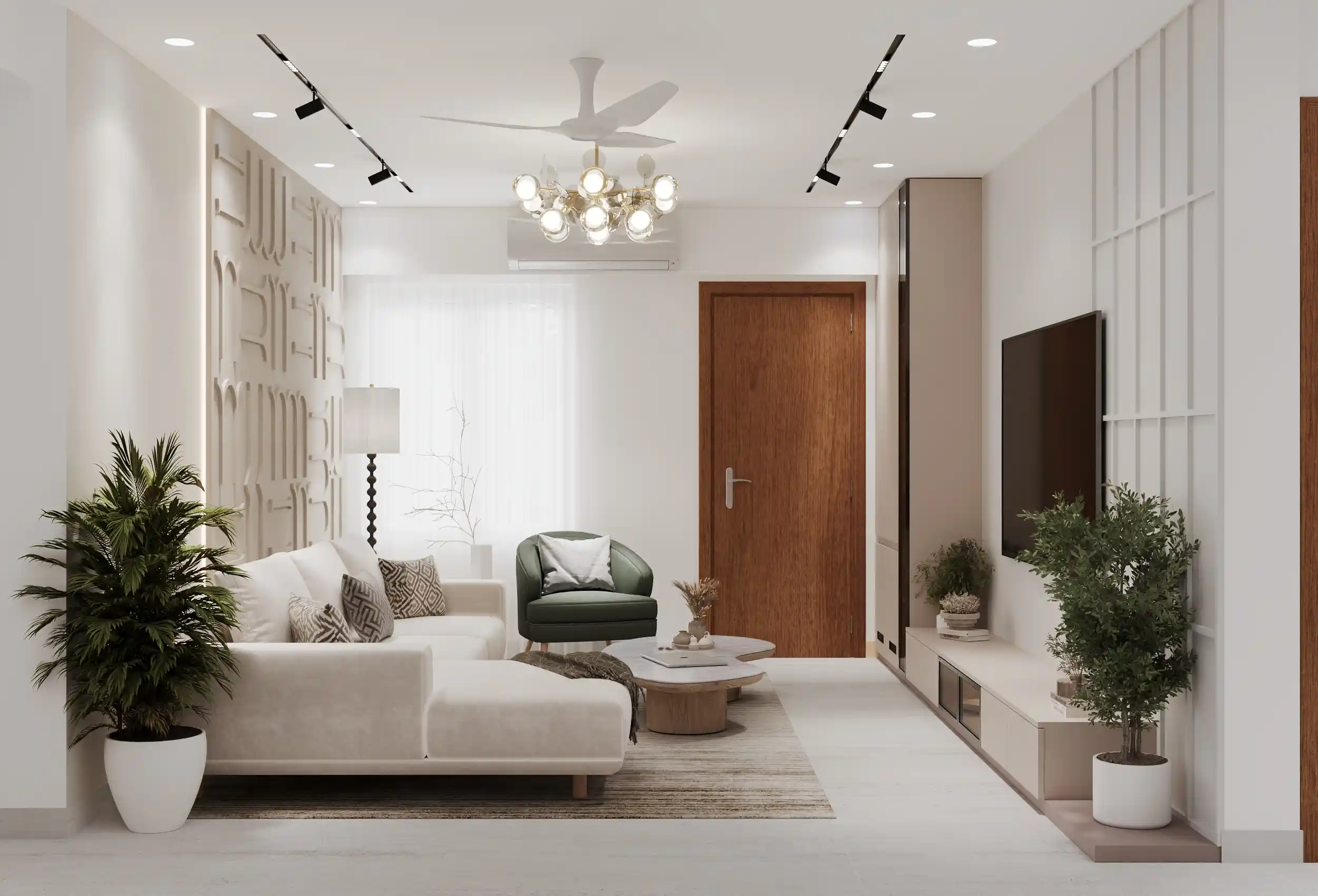
A home should feel like an extension of the people who live in it. Beyond walls, furniture, and decorative accents, it should provide comfort, functionality, character, and a sense of belonging. This is where home interior designers in bangalore can transform a basic residential space into an environment that feels remarkably personal.
Bangalore’s residential landscape is wonderfully diverse. Modern apartments, spacious villas, compact urban homes, and contemporary penthouses each present their own opportunities and constraints. An effective interior design approach recognises these differences instead of applying a predictable formula.
Professional design brings together spatial planning, material selection, lighting, colour, furniture, and architectural detailing. Every decision has a purpose. A well-positioned storage unit can eliminate clutter, while an intelligently planned seating arrangement can make social interactions feel more natural. Even a seemingly insignificant alcove can become useful when its potential is properly understood.
Understanding the Homeowner’s Vision
Every dream home begins with an idea. Sometimes that idea is clearly defined, while other times it exists as a collection of images, colours, textures, and aspirations. Translating this abstract vision into a cohesive interior requires careful interpretation.
Designers typically consider the homeowner’s lifestyle, aesthetic preferences, routines, family requirements, and long-term expectations. A couple may prioritise an elegant entertainment area, while a growing family might need adaptable rooms and abundant storage. Someone working remotely may require a dedicated workspace that remains visually integrated with the rest of the home.
This personalised approach prevents interiors from becoming generic. Instead, the finished residence develops its own visual language.
Creating Intelligent Spatial Layouts
Good interior design begins long before decorative accessories enter the picture. Space planning establishes how a home functions, how people move between rooms, and how different areas relate to one another.
An intelligently designed living room can accommodate conversation, entertainment, and relaxation without feeling overcrowded. Kitchens can be organised around efficient movement between preparation, cooking, and storage zones. Bedrooms can incorporate wardrobes and functional surfaces while preserving an atmosphere of tranquillity.
Open-plan layouts can create an expansive feeling, but they still require subtle delineation. Furniture placement, flooring transitions, lighting, ceiling details, and partial partitions can establish distinct zones without sacrificing visual continuity.
In smaller Bangalore homes, this becomes particularly valuable. Vertical storage, multifunctional furniture, sliding elements, and built-in cabinetry can unlock useful capacity while maintaining a sense of spaciousness.
Choosing Materials That Add Character
Materials contribute enormously to the personality of an interior. Wood introduces warmth and tactility, stone creates visual permanence, glass adds luminosity, and metal can provide a contemporary counterpoint.
The most sophisticated interiors often rely on juxtaposition. Smooth surfaces can be paired with textured fabrics. Natural timber can soften crisp architectural forms. Matte finishes can provide an understated counterbalance to reflective elements.
Local craftsmanship can also bring distinctive character into a residence. Handcrafted furniture, artisanal décor, woven elements, and natural materials can create subtle irregularities that make a space feel authentic rather than mass-produced.
Durability should remain part of the equation. Beautiful materials are most valuable when they can withstand everyday life and retain their appeal over time.
Using Lighting to Shape Atmosphere
Lighting is one of the most transformative components of residential interiors. A thoughtfully illuminated room can appear warmer, larger, calmer, or more dramatic depending on the arrangement.
Natural light should be considered first. Window placement, curtain fabrics, mirrors, and furniture orientation can influence how daylight moves through a room. Artificial illumination can then provide additional layers for different activities.
Ambient lighting establishes overall brightness, task lighting supports specific activities, and accent lighting draws attention to artwork, architectural features, or decorative objects. Combining these layers creates greater versatility than relying on a single overhead fixture.
Warm illumination can make bedrooms and living rooms feel inviting, while focused lighting can improve kitchens, studies, and reading corners. The result is an interior that changes character gracefully throughout the day.
Building Interiors Around Lifestyle
A visually impressive home can become frustrating if it does not support everyday routines. Functionality therefore deserves equal attention.
Storage is a prime example. Cleverly integrated wardrobes, concealed cabinets, under-bed compartments, and customised shelving can keep possessions organised without visually overwhelming the room.
Families may benefit from durable surfaces and flexible spaces that accommodate changing needs. Professionals may require ergonomic workstations and improved acoustics. Entertaining enthusiasts may prioritise expansive dining areas or sophisticated media zones.
The objective is to anticipate how the home will actually be used. When functionality is embedded into the design, convenience becomes almost effortless.
Bringing Nature Into Urban Homes
Bangalore’s cosmopolitan character does not eliminate the desire for natural surroundings. Biophilic design offers an elegant way to reconnect interiors with nature.
Indoor plants can soften hard architectural lines and introduce organic colour. Timber, stone, woven materials, and natural textiles can reinforce this connection. Balconies and windows can be designed to maximise views and daylight, creating a stronger relationship between indoor and outdoor environments.
Even modest homes can benefit from this approach. A small indoor garden, a sculptural plant, or a carefully positioned window seat can create a restorative pause within a busy urban setting.
Integrating Technology Without Losing Elegance
Modern homes increasingly incorporate smart lighting, automated curtains, security systems, climate controls, and integrated entertainment. Yet technology does not have to dominate the visual identity of a room.
With careful planning, switches, wiring, speakers, screens, and control systems can be integrated discreetly into the architecture. Smart lighting can create different atmospheres at the touch of a button, while automated features can improve convenience and energy efficiency.
The finest technology-driven interiors maintain an understated appearance. The intelligence is present, but it does not compete with the design.
Designing for Lasting Appeal
Trends can provide inspiration, but timeless design offers greater longevity. A residence should not feel outdated merely because a particular colour or decorative style has fallen out of fashion.
Strong proportions, quality materials, versatile furniture, and thoughtful detailing create a more enduring foundation. Contemporary touches can then be introduced through artwork, cushions, rugs, lighting, and accessories without requiring extensive renovation.
This approach also makes the home easier to evolve. As lifestyles change, selected elements can be modified while the fundamental design remains intact.
Creating a Home That Feels Truly Yours
A dream home is ultimately defined by more than aesthetics. It is a place where routines unfold, celebrations take shape, quiet moments become meaningful, and personal memories accumulate.
Thoughtful interior design brings all these dimensions together. It balances beauty with practicality, sophistication with comfort, and contemporary sensibilities with individual character.
Bangalore offers an exciting canvas for residential design, with its evolving architecture, diverse lifestyles, and appetite for innovation. With careful planning and imaginative execution, an ordinary residence can become a distinctive sanctuary that feels effortless, welcoming, and unmistakably personal.
The finest interiors do not simply showcase beautiful objects. They create an environment that works beautifully every day.


